Restoring Land. Building Resilience. Securing Futures.
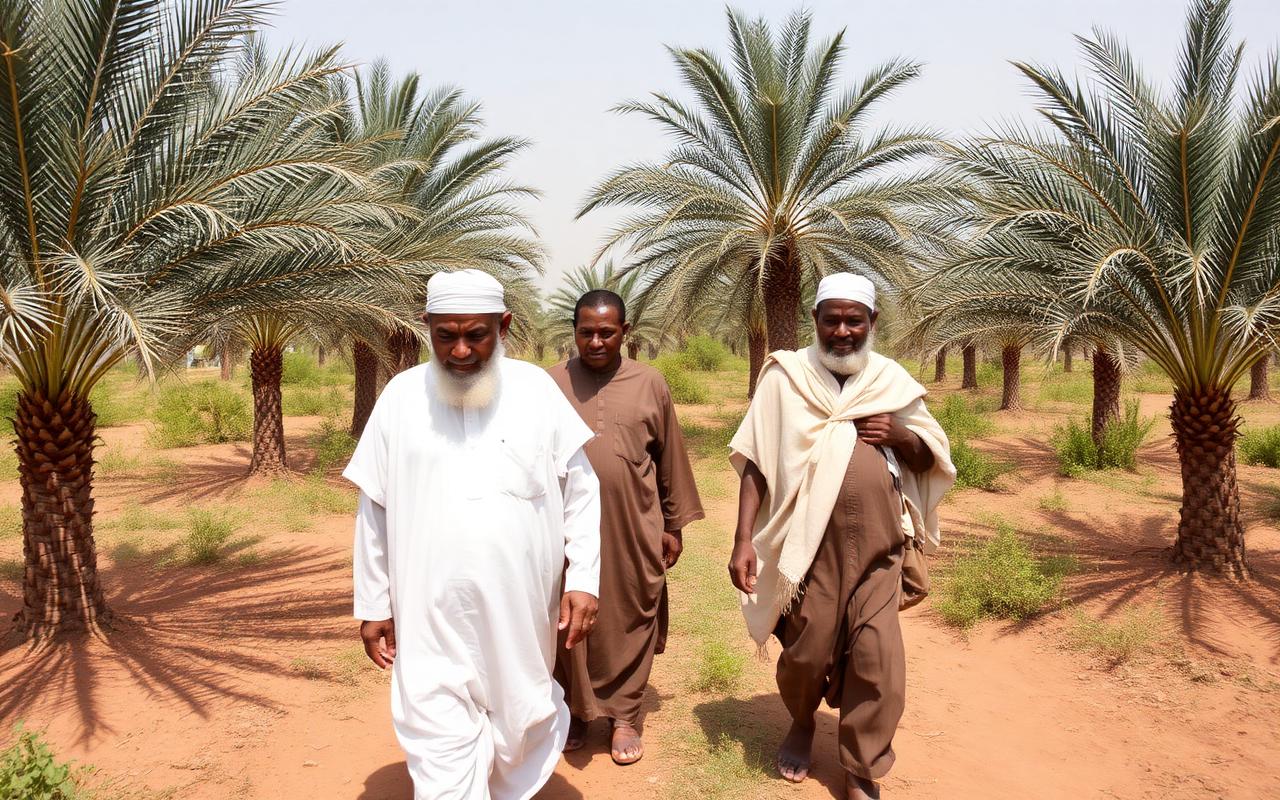
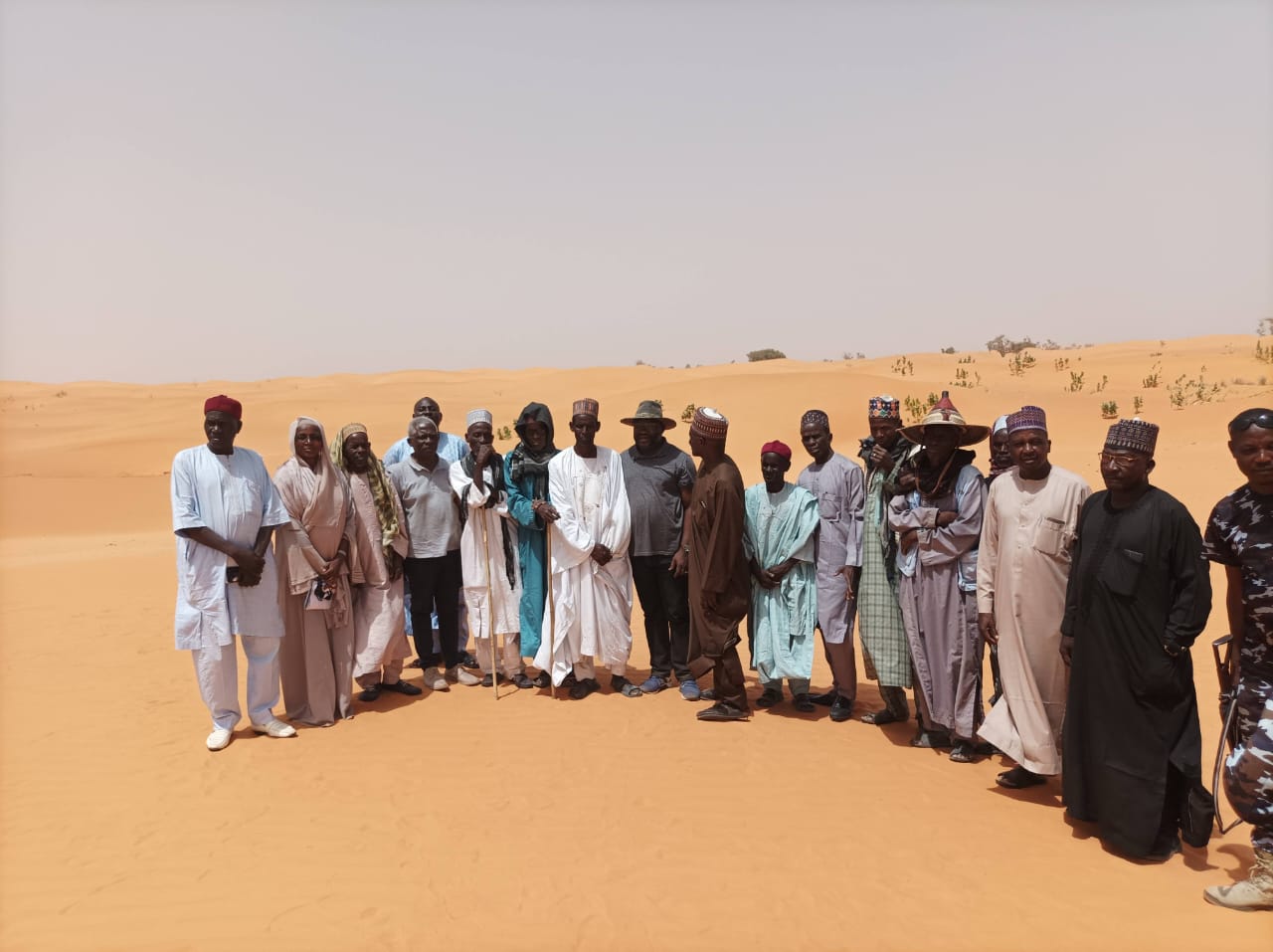
One of the Oasis in Yusufari Local Government Area of Yobe State
About the Project
Yobe State Environmental and Climate Change Action Project (ECCAP) was established by the Yobe State Government under the leadership of His Excellency Hon. (Dr.) Mai Mala Buni, CON, CONM (Chiroman Gujba), domiciled in the State Ministry of Environment.
ECCAP brings together government, development partners, and grassroots communities across all 17 Local Government Areas of Yobe to restore degraded landscapes and build climate resilience.
Yobe State Government
Primary funder and steward, providing leadership and counterpart contribution to the project.
African Development Bank
Credit financing supporting climate change adaptation, mitigation, and livelihood activities.
BADEA
Credit support from the Arab Bank for Economic Development in Africa for project investments.
Project Development Objective
The development objective of the project is to enhance resilience to climate change and reduce food insecurity through creating opportunities for food production and incomes in Yobe State. This is achieved through nursery rehabilitation, shelterbelts, orchards, woodlots, sand-dune stabilisation, oasis rehabilitation, agricultural water management, carbon sequestration, MSME support, clean cooking energy, and access to carbon markets.
The Ministry of Environment, Yobe State is the Executing Agency. Day-to-day management is handled by a 13-member State Project Implementation Unit (SPIU), housed within the North East Arid Zone Development Programme (NEAZDP) in Gashua. Strategic oversight is provided by a Project Steering Committee (PSC).
Vision
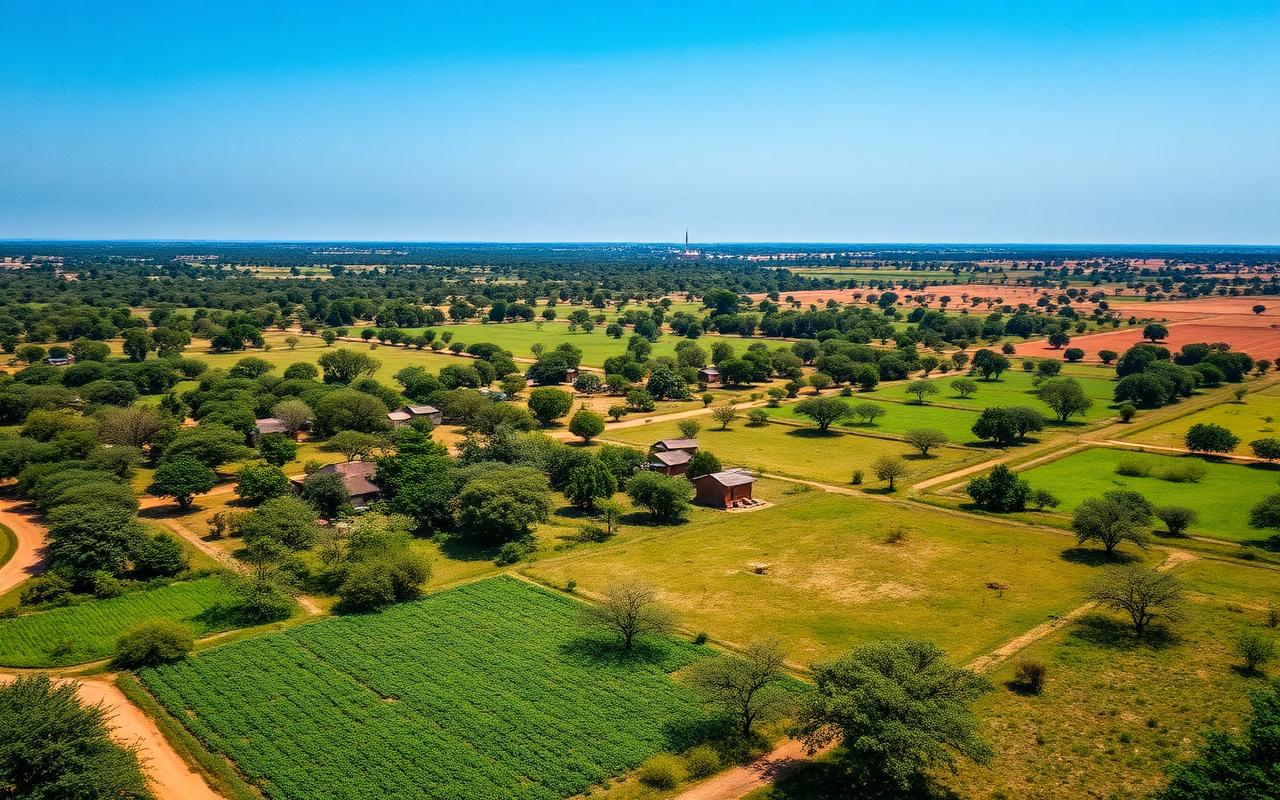
A climate-resilient Yobe State with an improved environment that supports sustainable livelihoods, economic growth, and the well-being of present and future generations.
Mission
To promote sustainable environmental management and strengthen climate change resilience in Yobe State through community engagement, policy support, innovative interventions, and partnerships that safeguard natural resources, reduce greenhouse gas emissions and vulnerabilities, and build a greener future.
Our Core Values
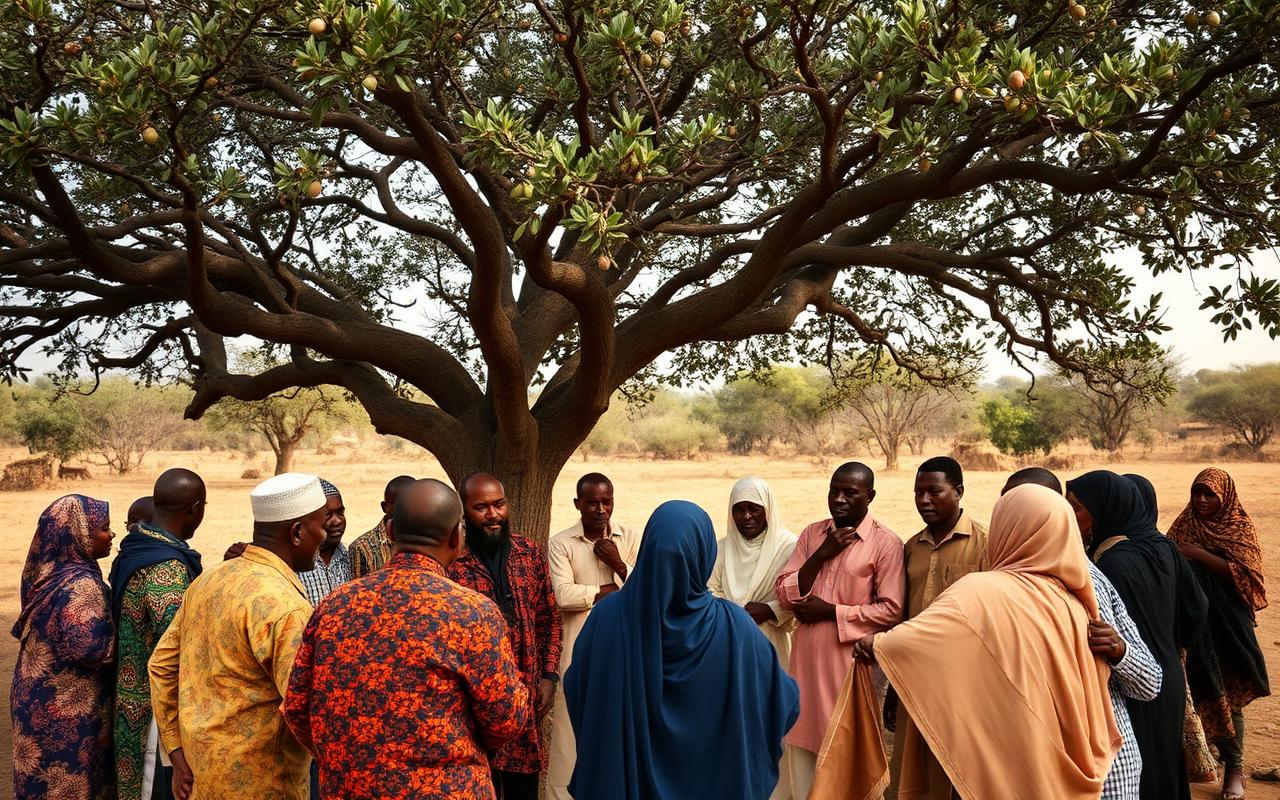
Our work is anchored on values that put people, ecosystems, and integrity at the centre of every intervention — from village-level engagements to state-wide policy.
Sustainability
Commitment to long-term environmental health and responsible use of resources for future generations.
Resilience
Building adaptive capacity of people and ecosystems to withstand climate and environmental shocks.
Equity & Inclusion
Ensuring fair participation and benefits for all groups, particularly vulnerable and underserved communities.
Transparency & Accountability
Open decision-making, effective monitoring, and responsible use of resources.
Innovation
Embracing new technologies and local knowledge to find context-appropriate solutions.
Collaboration
Working with communities, government, NGOs, development partners and the private sector for collective action.
Environmental Justice
Upholding the right of all individuals to a safe, healthy, and sustainable environment.
Project Components
Component A — Climate Change Adaptation and Mitigation Actions
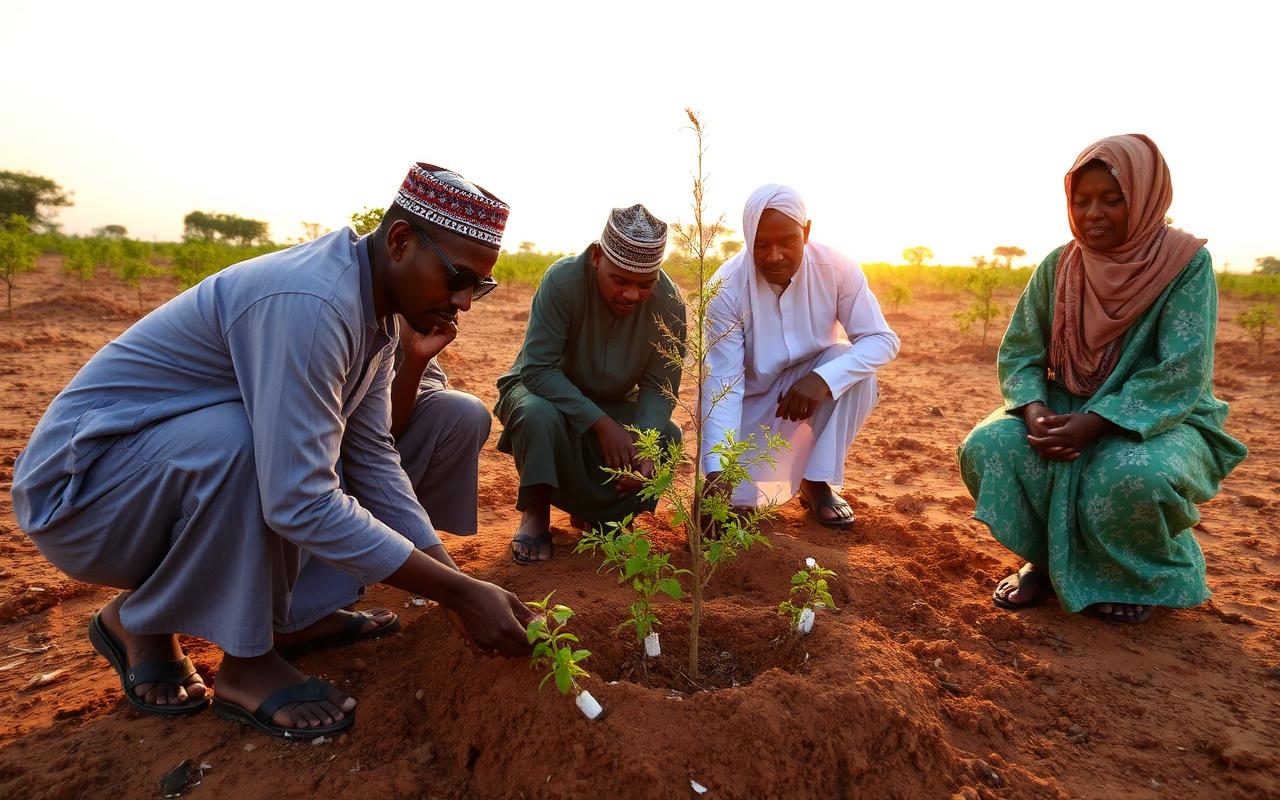
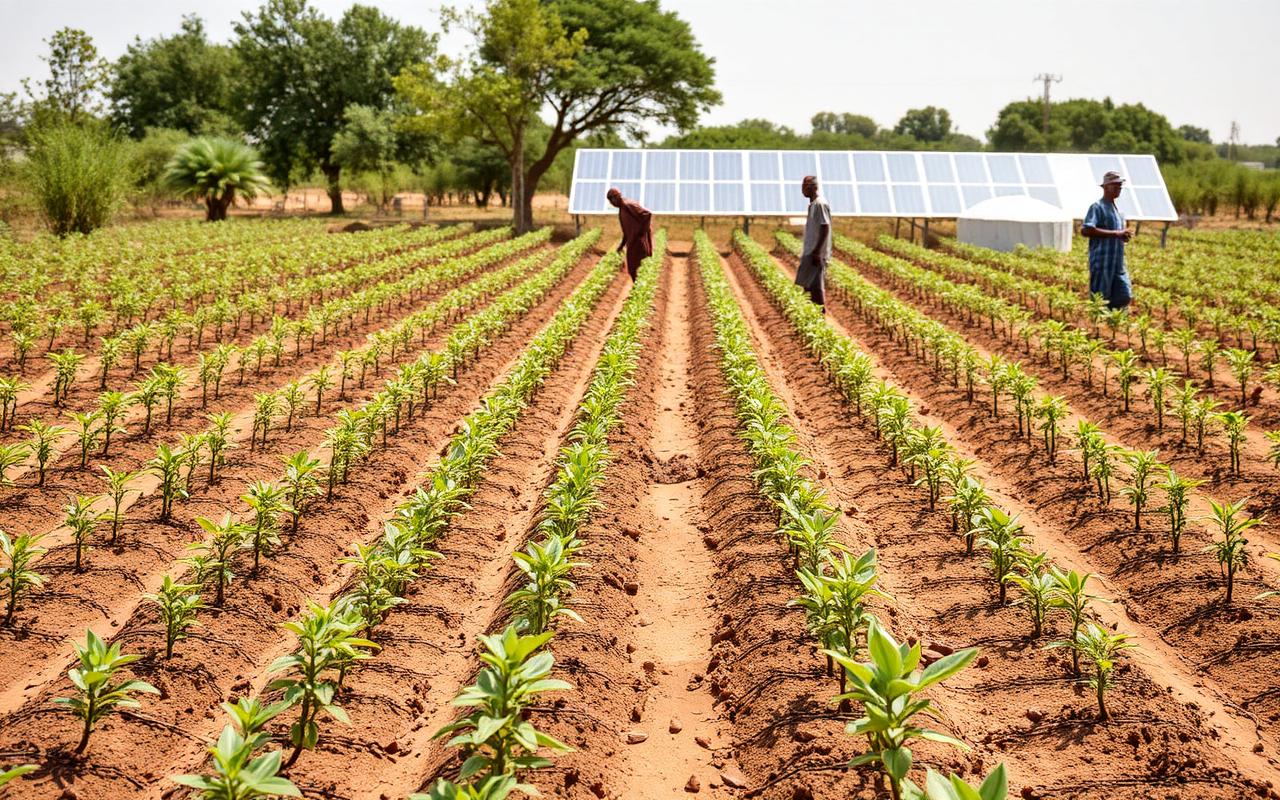
Builds resilience and mitigates the impact of climate change and desertification across 17 LGAs. The component will plant 20 million trees and enhance forest cover by 20,000 hectares through shelterbelts, orchards, woodlots, state planting campaigns, gum arabic farming, and naturally regenerated trees.
Sub-component A.1: Improve Vegetation Cover
- 1,424 Ha of shelterbelt plantations across 178 wards (475 locations)
- 150 Ha of oasis rehabilitated in 30 locations
- 912 Ha of sand dunes stabilised in 228 locations
- 712 Ha of woodlots in 178 wards (356 locations)
- 300 Ha of orchards in 75 locations
- Trees planted in 1,600 public institutions
- Incentives for 2 million naturally regenerated trees on farming landscapes
- 11 existing tree nurseries (40.5 Ha) rehabilitated to supply 30–40 million seedlings
- 20 million trees planted and established
Sub-component A.2: Integrated Water Management Schemes
- 1,070 boreholes with solar pumps for nurseries, shelterbelts, dunes and woodlots
- 300 tube-wells with solar pumps in oasis and orchards
- 337 tube-wells for agricultural landscape (wheat and rice production)
Component B — Livelihood Support and Capacity Building
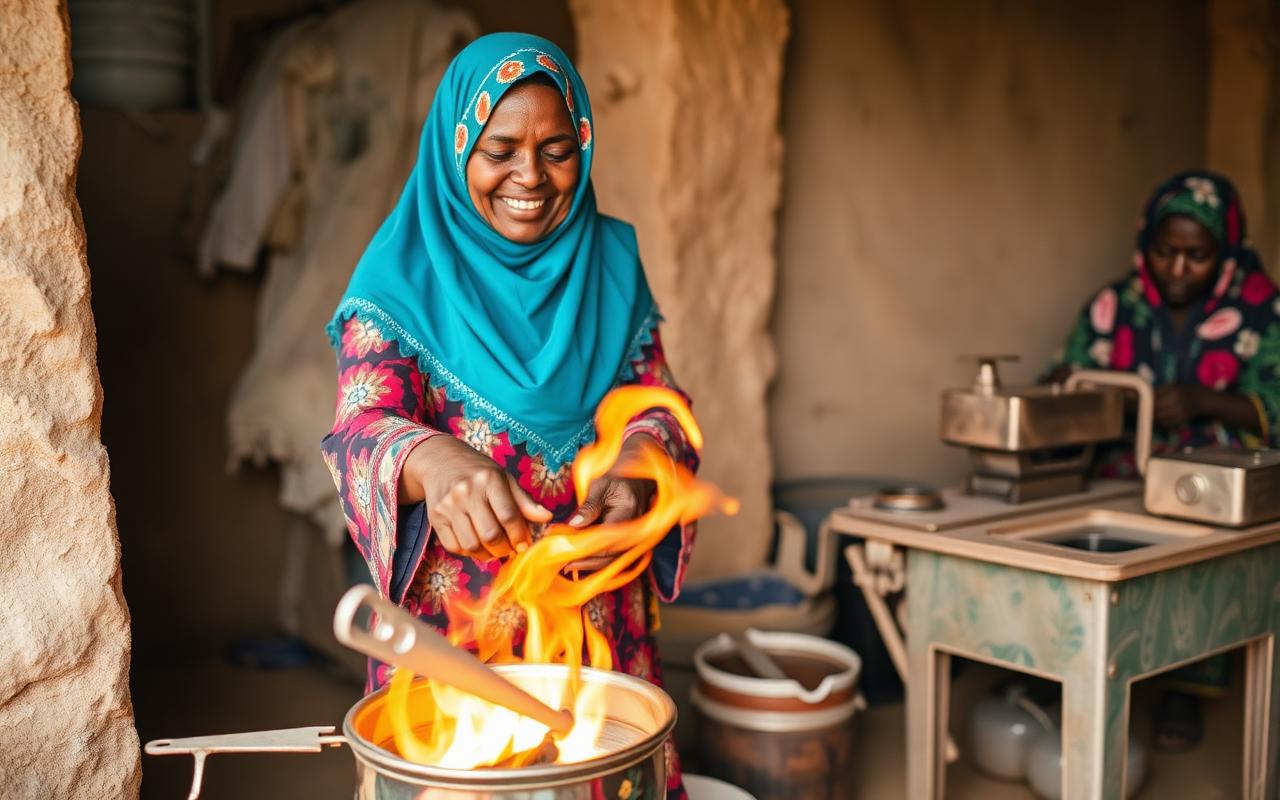
Increases awareness on climate change and environmental degradation, builds community resilience, and promotes peace and social cohesion — especially for youth, women, and forced-displaced populations.
B.1: Capacity Building
- 3,560 MSMEs trained (50% women-owned, 70% youth-owned) in social entrepreneurship and non-wood industries
- Climate Change awareness campaigns in 89 clustered wards (twice yearly)
- Training in Payments for Ecosystem Services (PES)
- Training for LGA & state officials and CSO/NGO leaders
B.2: Support Agricultural Livelihoods
- 337 water pumps for agricultural water management schemes
- Wheat, sweet potato and horticulture farmers linked to TAAT technology (30% women)
- 1,000 sets of small ruminants supplied to households
- Agro-inputs to 150 orchard and 356 woodlot beneficiaries
B.3: Non-Forest-Wood Dependent Livelihoods
- Agro-processing equipment for 218 groups (30% women's groups)
- 436 sets of animal traction for farming households
- 21,780 energy-efficient cook-stoves for women
B.4: Enabling Environment for Gender & Climate Change Gains
- Yobe State Gender Policy
- Payment of Ecosystem Service Strategy & Implementation Plan
- Carbon Market Mechanisms for Yobe State
Component C — Project Management, M&E and E&S Monitoring
Ensures effective implementation, timely reporting, financial management, and Environmental and Social Safeguards monitoring, financed by the AfDB loan and government contribution.
- At least two Project Steering Committee meetings yearly
- Annual Work Plan & Budget and Procurement Plan submission
- Quarterly Progress Reports (Activities, Financials, E&S)
- Yearly Financial Audit Reports
- Annual third-party E&S performance audit reports
- Alignment with Article 6 mechanism for carbon credit reporting (UNFCCC, Gold Standard)
Target Area & Beneficiaries
Project activities are implemented across 178 Wards in 17 Local Government Areas of Yobe State, yielding ecosystem, livelihood, and climate benefits for the entire population of the state.
40,000 Farmers
Cultivating wheat, rice, horticultural crops, fruits and woodlots on 6,000 Ha of arable land with improved water management.
3,560 Trainees
In social entrepreneurship and agribusiness — 50% women, 70% youth.
21,780 Women
Provided with energy-efficient cook-stoves to reduce firewood dependency.
1,436 Households
Supplied with small ruminants or oxen for animal traction.
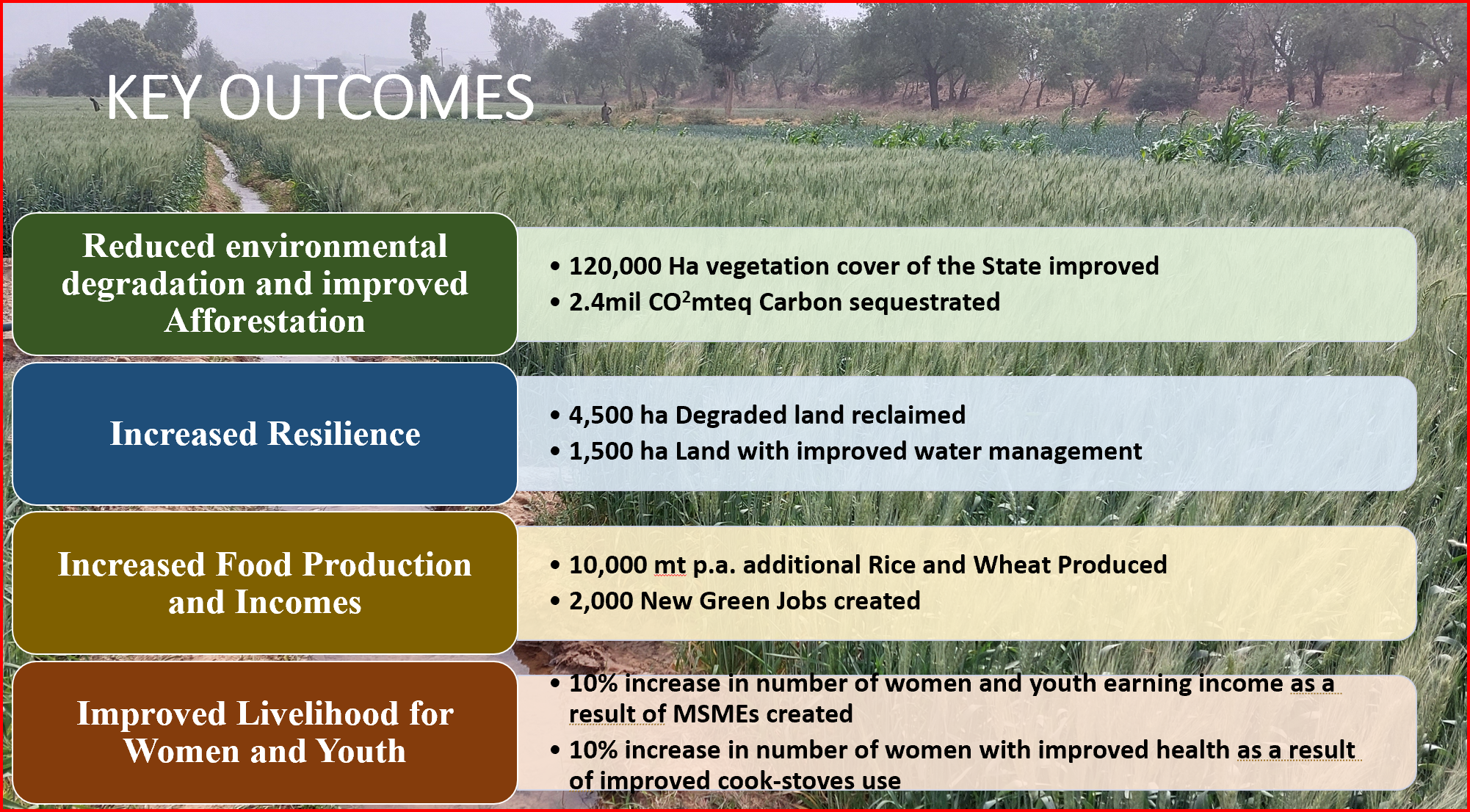
2,000 Green Jobs
Climate change adaptation employment created across the state.
3.5 Million
Total population of Yobe State benefiting from environmental restoration.
Theory of Change & Institutional Arrangement
Project Components Overview
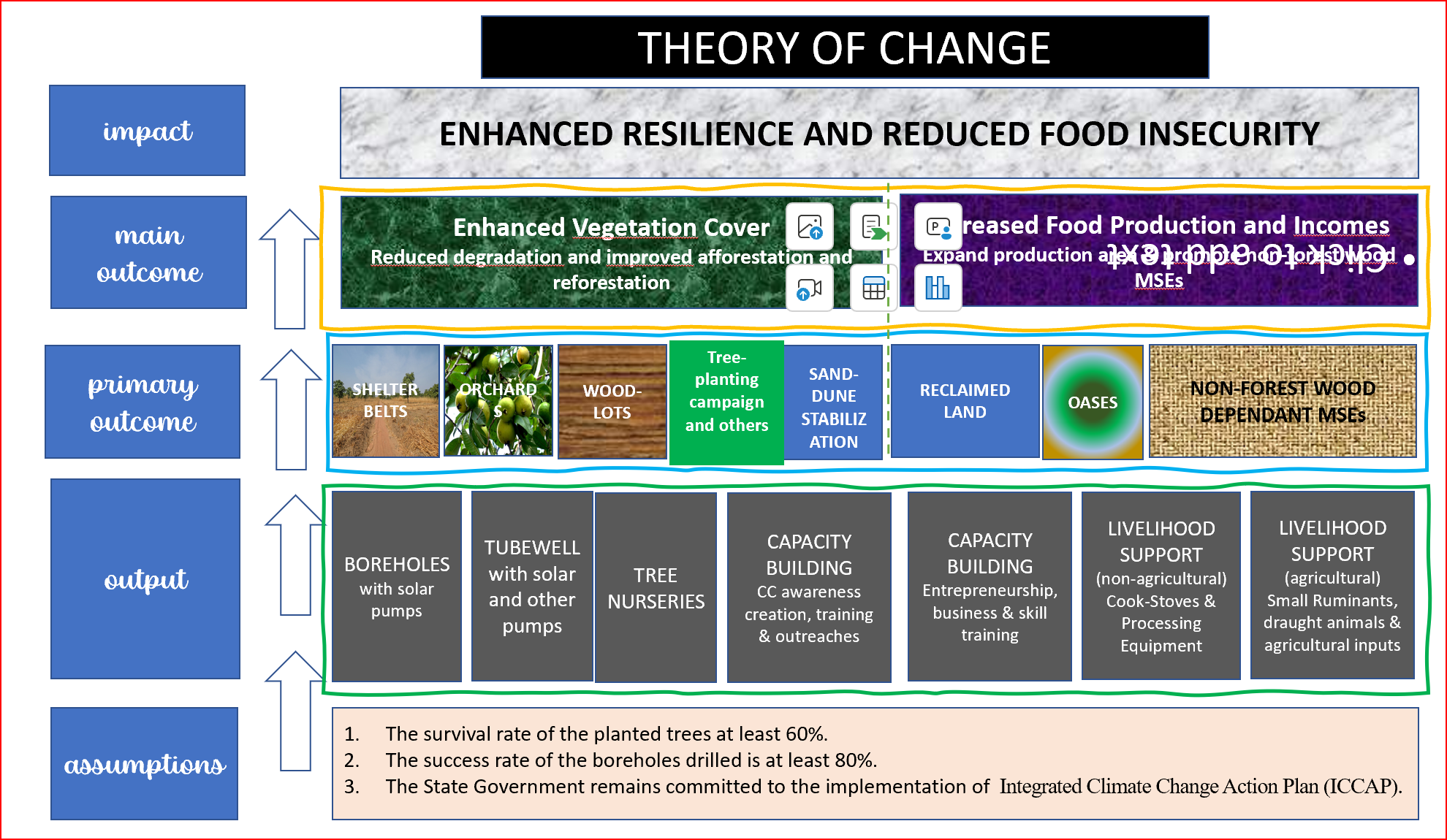
Theory of Change
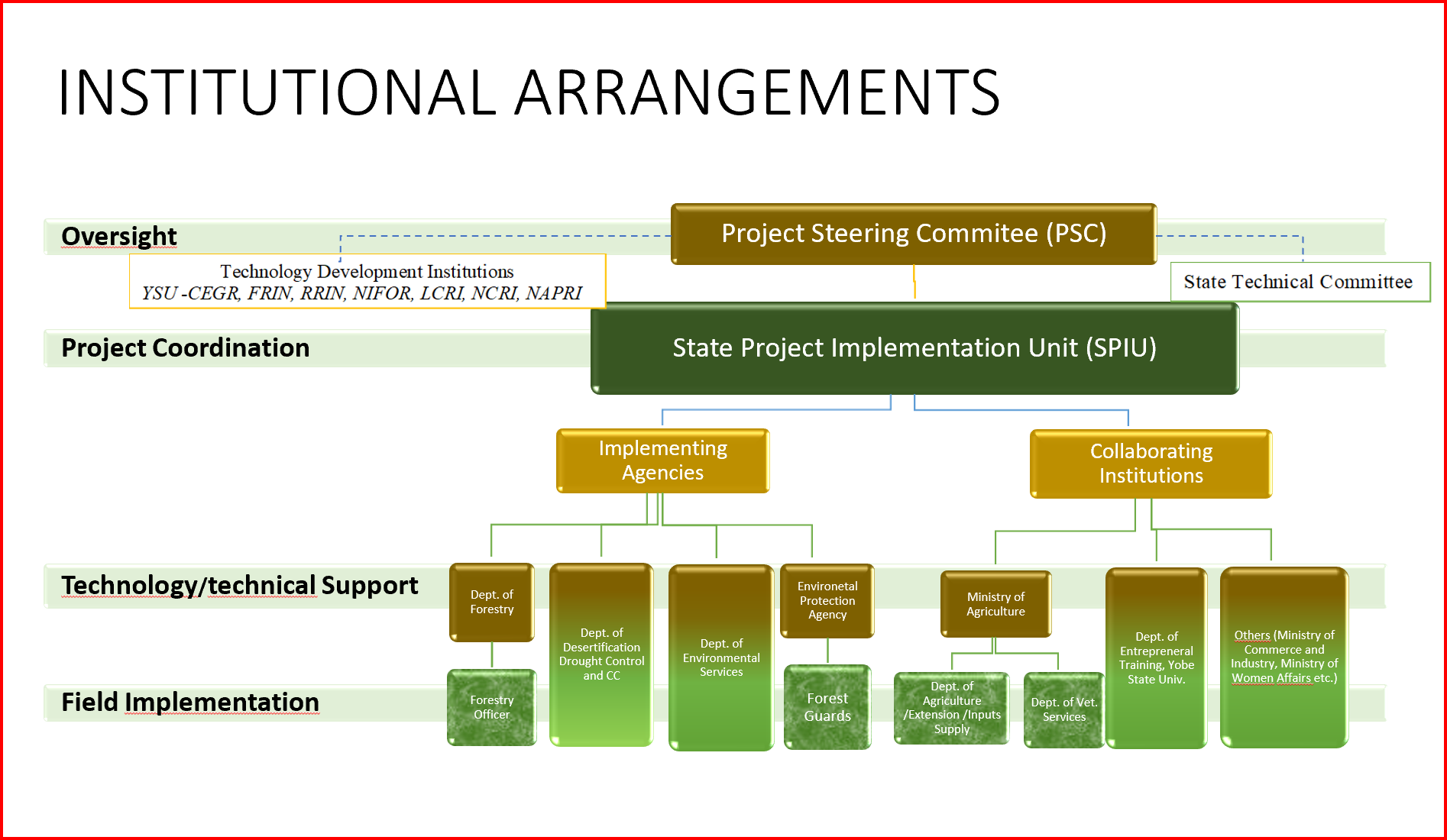
Institutional Arrangement
Project Gallery
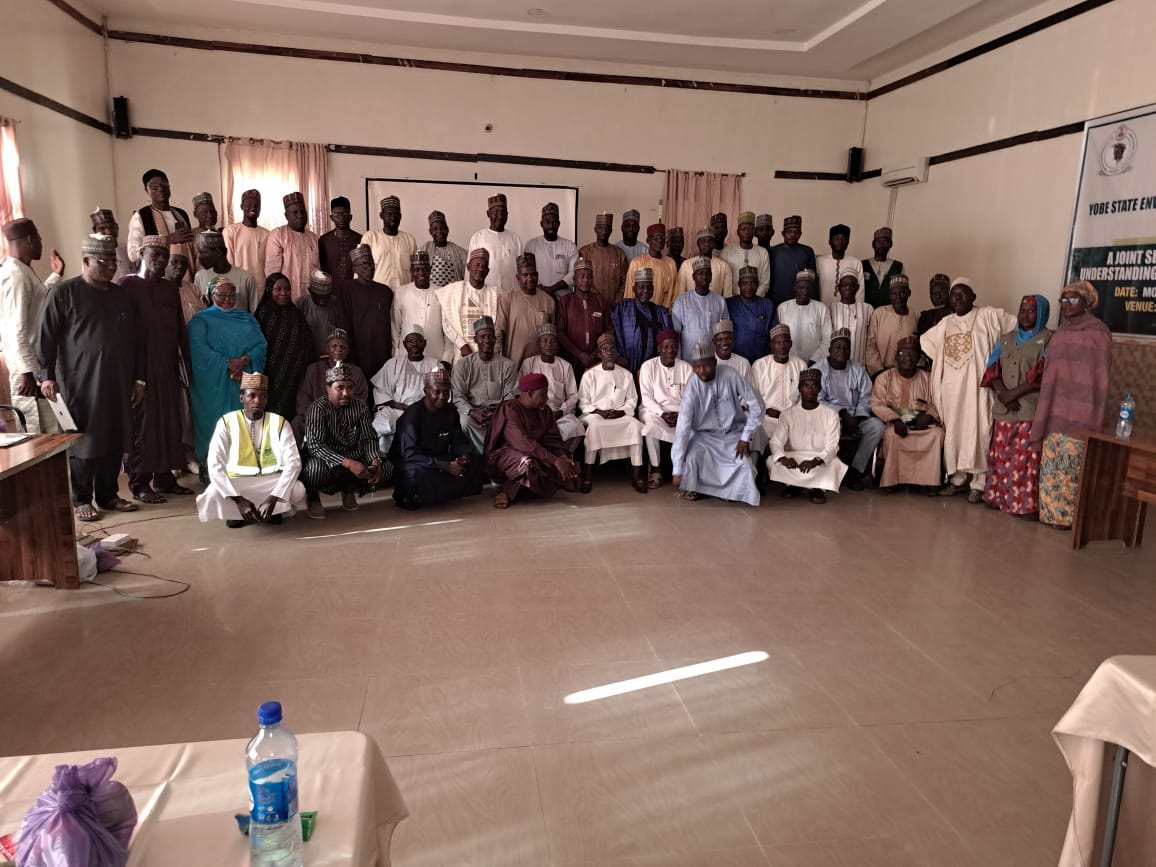
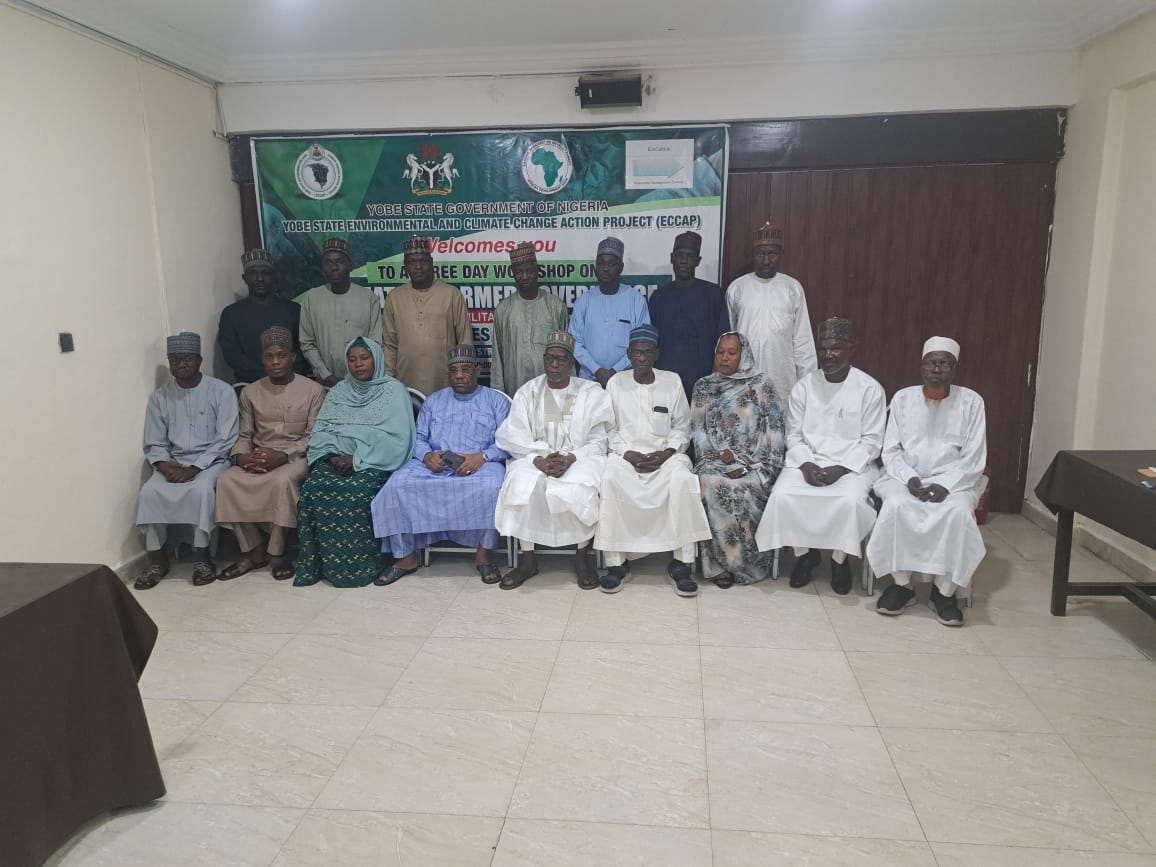
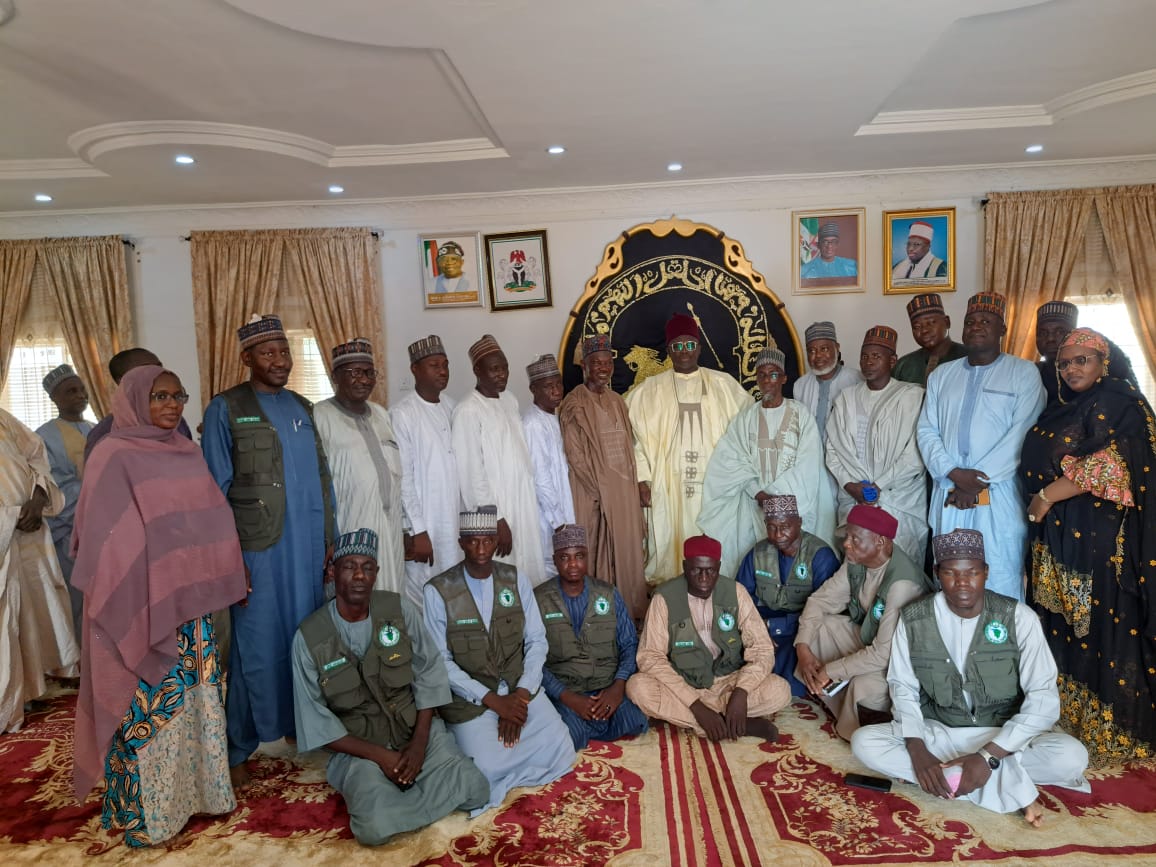
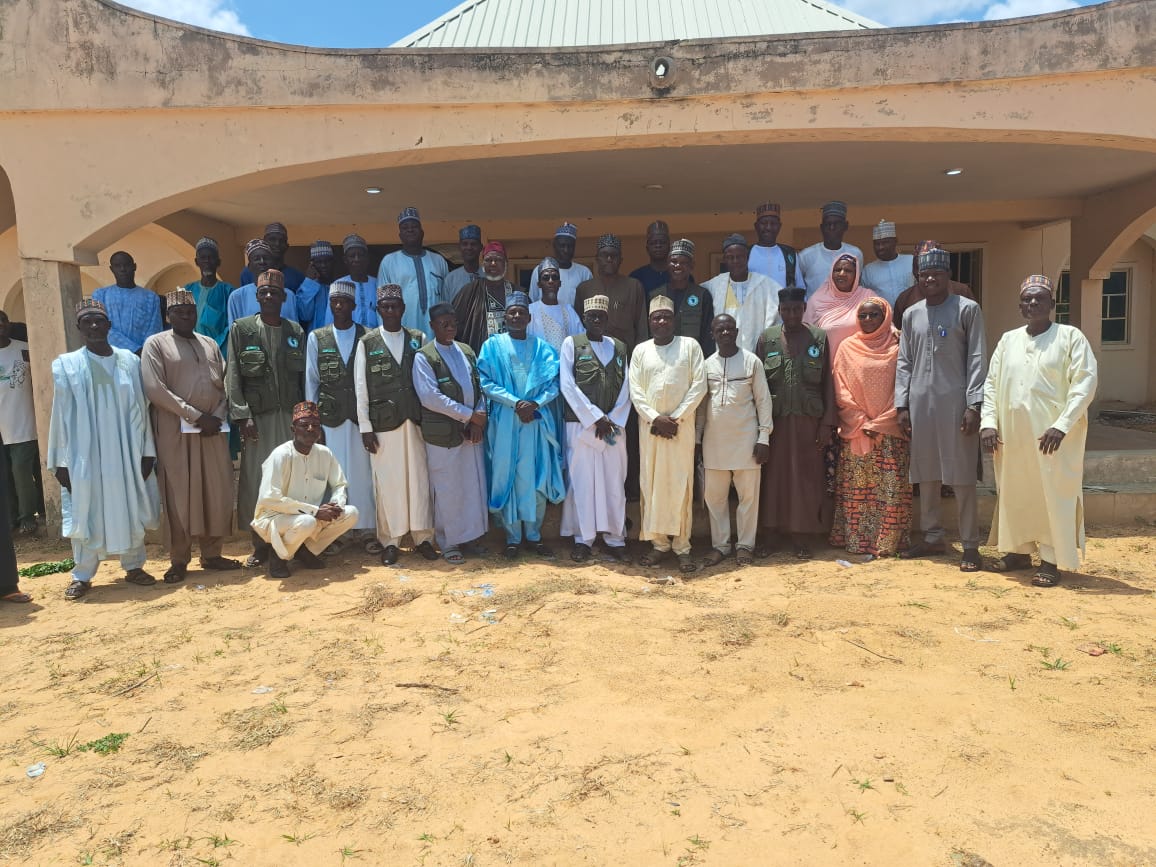
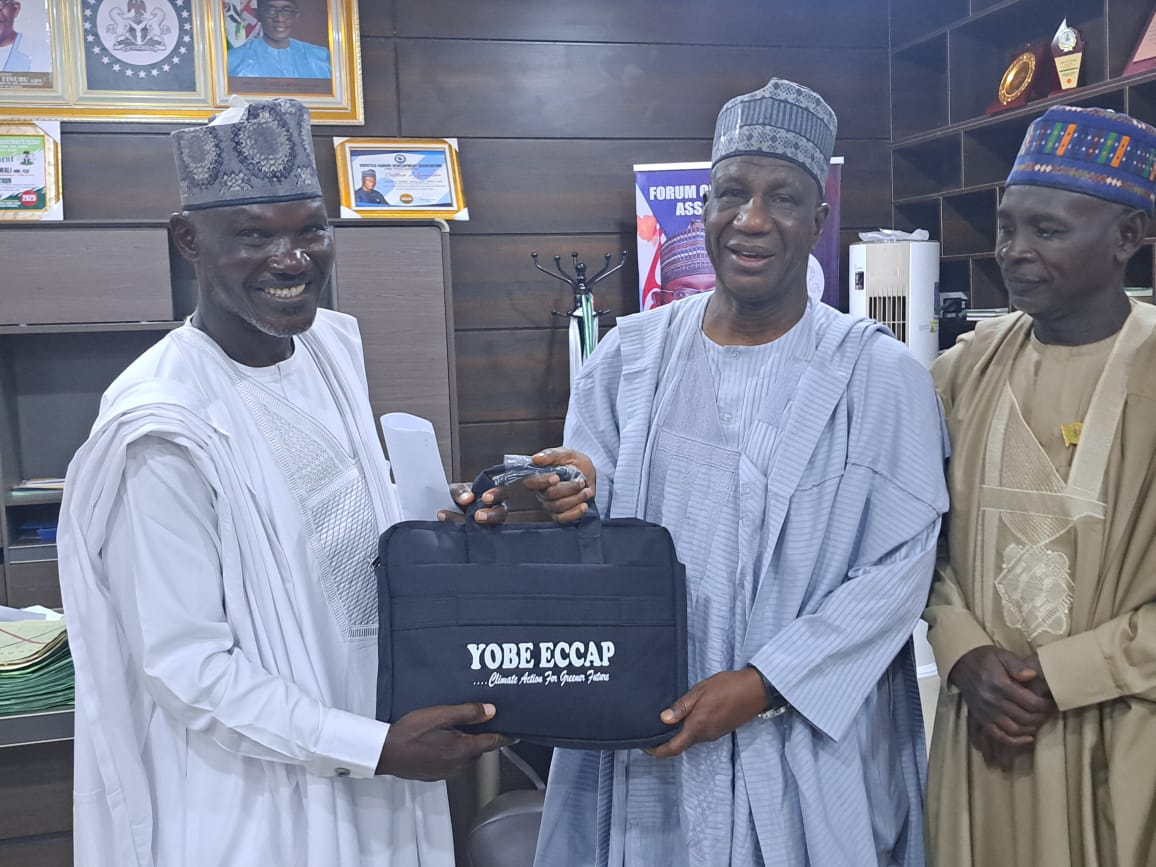
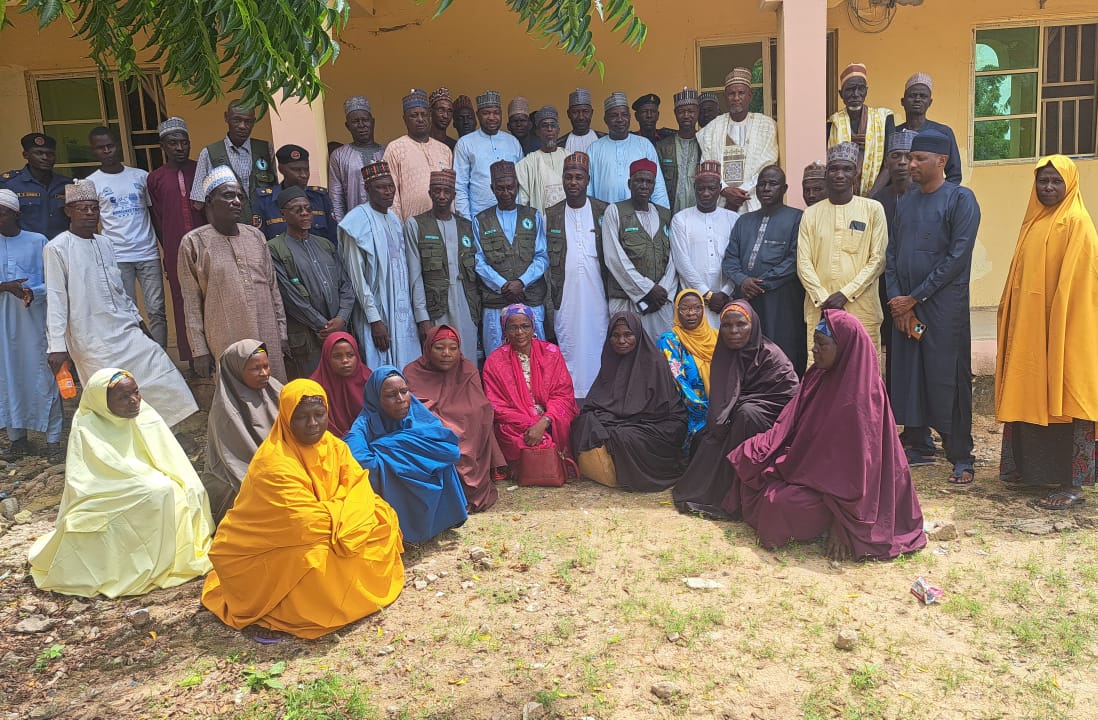
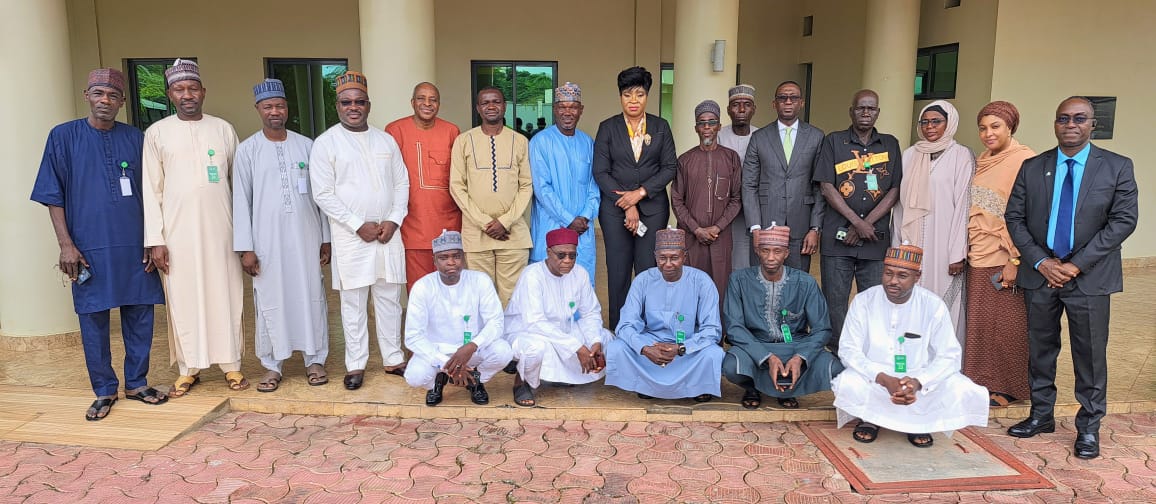
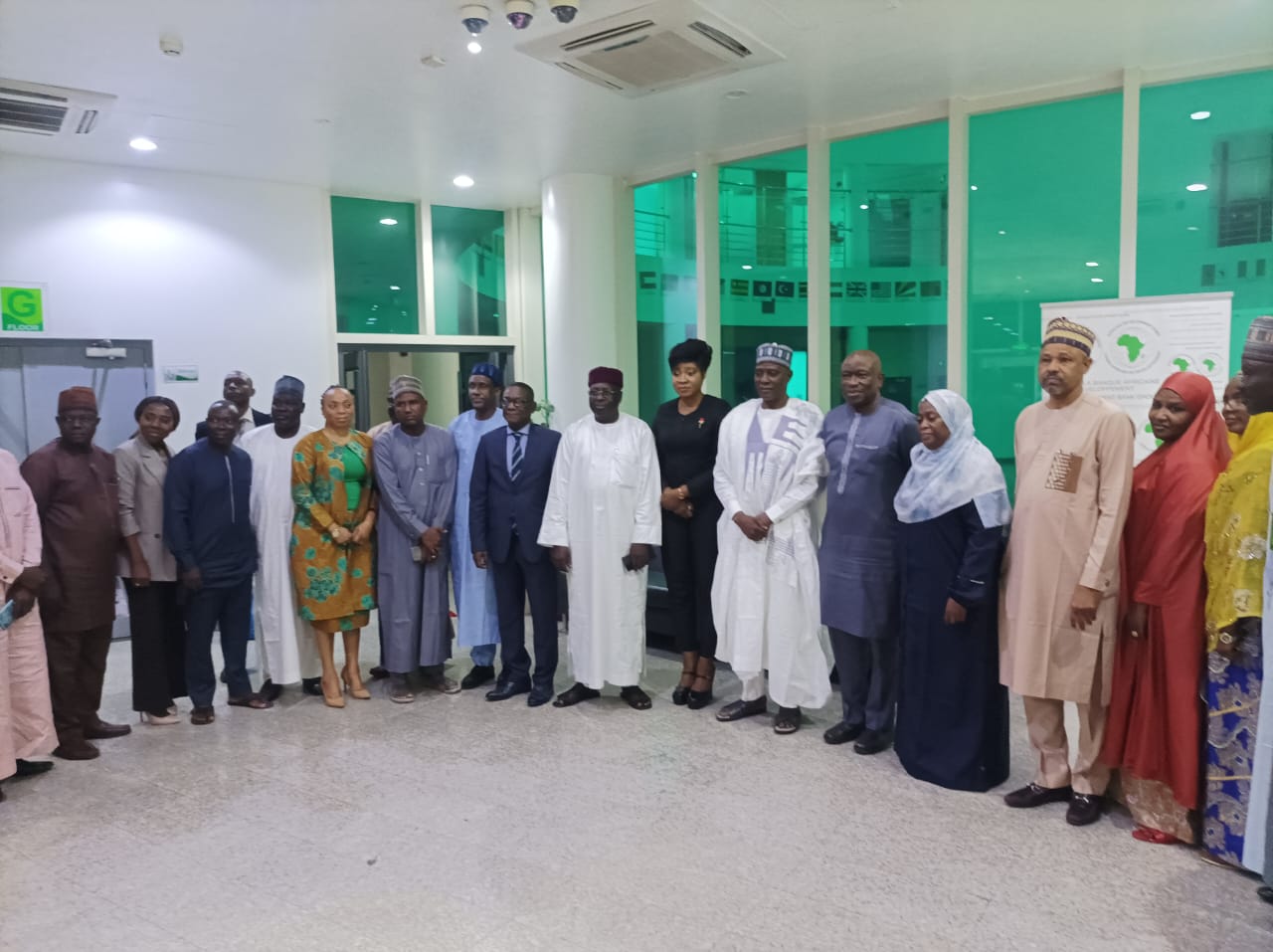
Stakeholder engagements, advocacy missions, and field visits across Yobe State.